


Systemic change in the MPD will only come from unapologetic demands for transparency, power shifting into the hands of the people, and a complete reimagining of public safety in Memphis.
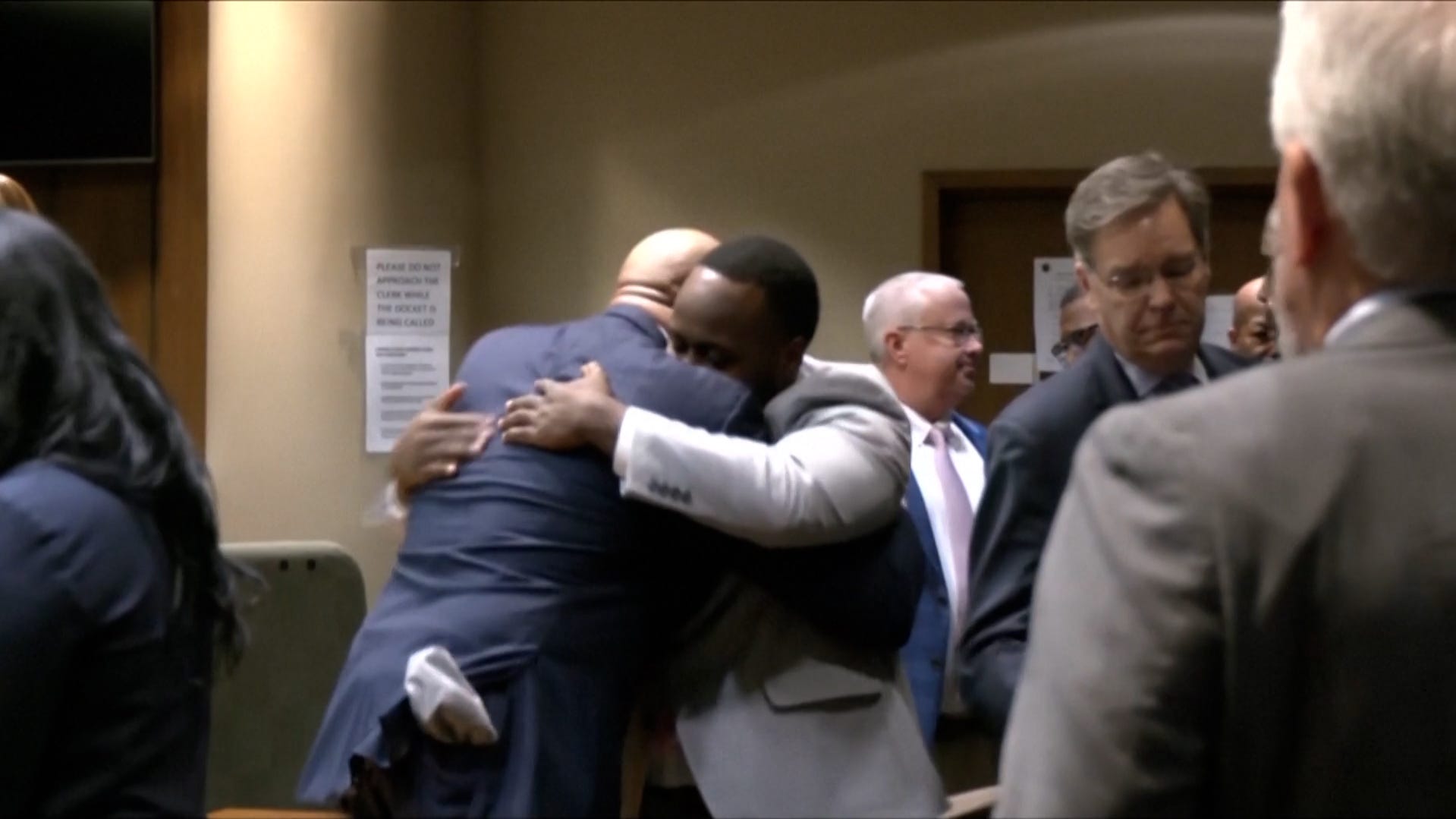

Ex-Memphis officers not guilty in beating death of Tyre Nichols
Three former Memphis police officers were found not guilty of all state charges in the 2023 fatal beating of Tyre Nichols.
- Following the acquittal of the officers charged with murdering Tyre Nichols, Memphis Mayor Paul Young created a police reform task force to overhaul the MPD.
- The task force was created without community input and has been functioning without full transparency. As a result, it is largely ineffective.
- The author calls for divestment from policing and reinvestment in community programs, increased transparency in police misconduct, and an end to specialized “crime suppression” units.
Memphians deserve real change, not another political smokescreen. The recent acquittals of three former Memphis police officersin the brutal killing of Tyre Nichols further underscore this fact. But Mayor Paul Young has repeatedly made it crystal clear that police accountability, transparency and meaningful change are not his priorities.
The U.S. Department of Justice’s scathing December 2024 report exposed what Memphians have known for years – that the Memphis Police Department (MPD) is rife with abuse, corruption and misconduct. From excessive use of force to unconstitutional stops and searches, the findings painted a devastating portrait of a department that routinely violates the constitutional rights of the people it claims to serve.
Yet in May 2025, the DOJ abruptly reversed course, retracting those findings and closing its investigation into MPD. The Trump administration claimed the previous report was “overbroad” and accused it of micromanaging local policing, ignoring the lived reality of countless Memphians harmed by police misconduct.
The City of Memphis has already used the DOJ’s retraction to argue in court that it should not be required to turn over documents in the civil lawsuit filed by Tyre Nichols’ family.
Following the original DOJ report, the City of Memphis had an opportunity to enter into a federal consent decreewhich would have legally bound MPD to federal oversight and enforceable reforms. InsteadMayor Young chose optics over substance, forming a so-called police reform advisory task force entirely handpicked by his administration, and without any input from the Memphis community.
It’s yet another closed-door ploy designed to protect political careersnot people’s lives. And it shows.
Mayor Young’s task force was ill-conceived and futile from the beginning
From its inception, the “Integrity Policing Initiative” has been plagued by secrecy and a lack of public trust. Despite initial promises of transparency, the task force has repeatedly held closed-door meetings. To make matters worse, the task force lacks any type of authority.
It has no power to demand records, subpoena officers or implement changes. Instead, it can only offer “recommendations.” Essentially, it’s a glorified suggestion box for an administration uninterested in listening.
Meanwhile, real solutions continue to be ignored.
Memphis undoubtedly must address crime. But crime will never be effectively addressed through more policing, surveillance and incarceration. If policing made cities safer, Memphis would be one of the safest cities in the country.
Memphis spends approximately 38 percent of its annual budget on police, far more than cities like St. Louis (27 percent), Baltimore (26 percent), Nashville (21 percent), New Orleans (24 percent), Detroit (29 percent)and Atlanta (30 percent). But despite this massive spending, Memphis continues to suffer some of the highest crime rates in the nation.
The research is clear: Increasing police funding does not reduce crime. What does? Investments in housing, mental health care, living-wage jobs, violence interruption programs and youth services. Safety is built through opportunity and collective well-being, not through policing and incarceration.
Other cities can be a guide for reducing crime without more policing
Memphis must pursue real, proven solutions. Some of the most urgent include:
- Divesting from policing and reinvesting in communities: Crime stems from poverty, trauma and disinvestment. Real public safety comes from ensuring access to affordable housing, quality education, youth programs, mental health care and living-wage jobs.
- Creating a publicly accessible database to track police misconduct: Every citizen complaint, use of force incident and disciplinary action should be documented in a public-facing database.
- Requiring thorough, independent internal affairs investigations: Allegations of police misconduct must be thoroughly and impartially investigated. Every investigation should include a detailed written report with clear findings of fact supported by evidence.
- Enforcing consistent and firm discipline for misconduct: Officers found to have violated policies or abused their power must face serious, consistent consequences — including swift termination and decertification.
- Disbanding specialized “crime suppression” units: These units have consistently brutalized Black, Brown and poor neighborhoods with impunity under the guise of public safety.
- Expanding community-led violence interruption programs: Cities like Minneapolis and Richmond, California, have proven models like Cure Violence and Advance Peace that have been shown to reduce crime and violence without policing.
- Restricting police use of military equipment: Implement ordinances and policies prohibiting MPD from acquiring or using military-grade weapons and vehicles through federal 1033 program grants.
These are not radical demands. They are evidence-based solutions that have already succeeded elsewhere.
The truth is that Mayor Young’s performative task force was never about change. It was about shielding MPD from real scrutiny and preserving the old order. But Memphians deserve better than another political stunt. We deserve leadership that understands that real public safety is built through community empowerment.
We cannot afford to wait for another name, another vigil or another empty promise. Systemic change will not come from advisory committees convened behind closed doors. It will come from unapologetic demands for transparency, from power shifting into the hands of the people, and from a complete reimagining of public safety in Memphis.
Tyler Foster is a Memphis-based law student, community organizer, and formerly incarcerated advocate working at the intersection of criminal legal reform and broader social justice movements. He serves as vice president of the Memphis Interfaith Coalition for Action and Hope (MICAH) and as a board member of the Formerly Incarcerated College Graduates Network (FICGN).